
Restaurant and cafe marketing: practical ideas that fill tables and bring people back
People choose where to eat by looking at their phones. Here is a practical plan to be found, look delicious, make ordering easy and turn first-time guests into regulars.

Key takeaways
- Most diners check Google Maps and Instagram before they choose. Make your profile complete, your menu clear and your photos honest.
- Make ordering and booking one tap: menu links, WhatsApp, call and directions.
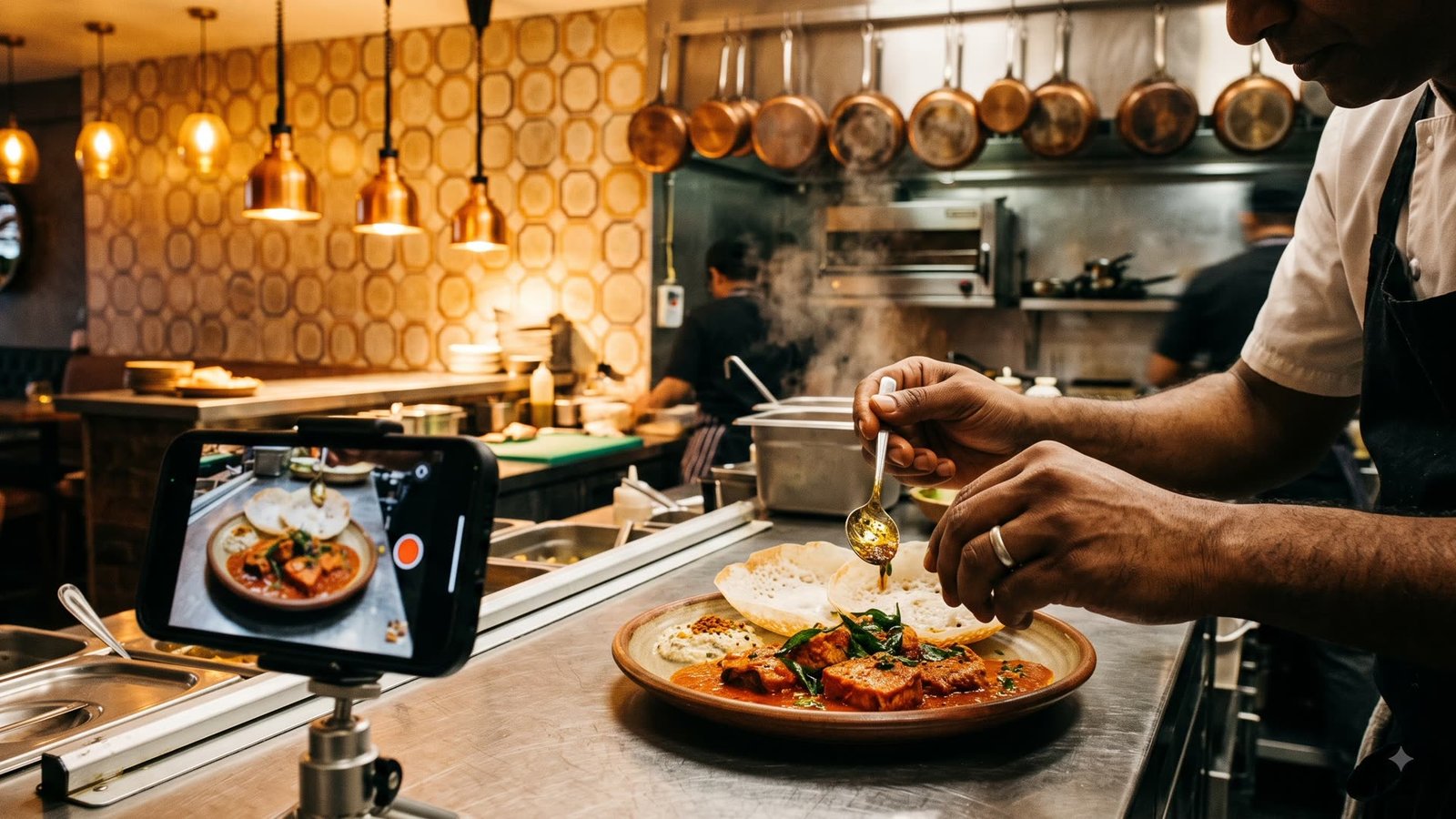
- Show real food and real people. Reels of the kitchen and the plate work when they are true.
- Follow FSSAI display rules and truthful advertising, and keep the guest’s data safe.
How diners choose
Restaurant marketing is helping people find you, trust what they see and book or order with one tap. Most guests search Google Maps or Instagram, look at photos, read reviews and check the menu before they decide, so those are the places to be at your best.
This guide covers the essentials for a restaurant or cafe in India, from your Google profile to your kitchen camera.
Step 1: Perfect your Google Business Profile
- Restaurant details: name, address, hours, phone, categories and dining options. Google explains how to get started with a Business Profile for your restaurant.
- Menu: add your menu items with descriptions and prices using the menu editor, or upload a menu photo or PDF.
- Ordering links: add pickup and delivery links, including your own ordering page, following Google’s guide to managing online ordering options.
- Photos and videos: real photos of the food, place and team. Update them often.
- Reviews: ask every guest, reply to every review and never offer rewards for reviews. See our reviews guide.
Step 2: Photograph and film the food honestly
- Use natural or warm light, clean plates and a simple background.
- Shoot what guests will actually receive. Misleading photos lead to poor reviews.
- Film short vertical clips: sizzle, pour, plate, first bite, kitchen moments. Our Reels system shows how to batch them.
- Show your people: the chef, the baker, the owner greeting guests.
Step 3: Make Instagram useful
Set your profile up with a clear bio, location, hours, booking or WhatsApp link and highlights for menu, offers and location. Post a mix of dishes, behind-the-scenes, guest moments (with permission) and specials. Our Instagram guide covers content pillars and measurement.
Step 4: Make ordering and booking one tap
| Option | Good for | Watch out for |
|---|---|---|
| Call button | Reservations and quick questions | Missed calls during service |
| Reservations, pre-orders, catering enquiries | Needs someone to reply quickly. See our WhatsApp guide. | |
| Own ordering page | Regulars and repeat orders without platform fees | Delivery capacity and payment setup |
| Delivery platforms | New guests who browse platforms | Fees and limited guest data |
Step 5: Plan offers and seasons
- Slow-day specials, set menus, weekday lunch offers and group bookings.
- Festival menus and gifting boxes, planned early. See our festival marketing timeline.
- Local partnerships with offices, gyms, schools and residents’ groups.
- Events: live music, tasting nights, cooking sessions, if you can run them well.
Be honest about terms, and do not promote alcohol unless your licence and the platform’s policies allow it. Check each platform’s rules before advertising.
Step 6: Follow the food business rules
- FSSAI. Food businesses must display their FSSAI licence or registration number at their premises and show it on invoices, bills and cash memos. FSSAI publishes its rules and FAQs on fssai.gov.in, so check the current requirements for your type of business, including for online listings.
- Truthful advertising. Do not overstate ingredients, freshness or health claims. The ASCI Code requires advertising to be truthful and not misleading.
- Guest data. If you collect phone numbers for offers or reservations, get consent and keep them secure. India’s data protection law expects consent and care with personal data.
Step 7: Bring guests back
- Ask for permission to send WhatsApp updates about specials and events, then send few, relevant messages.
- Thank guests, and follow up after large bookings.
- Offer a simple loyalty idea that does not require a review or a social post in return.
- Track repeat visits, even by a simple stamp card or a phone number list.
Measure what matters
- Profile views, calls, direction requests and bookings from Google.
- Orders and covers by source: walk-in, Google, Instagram, WhatsApp, platforms.
- Repeat guests and average bill.
- Review count, rating and common comments.
See our metrics guide for simple formulas.
Mistakes to avoid
- An outdated menu, photo or opening hours online.
- Photos of dishes that do not match what arrives.
- Ignoring reviews, or offering discounts for reviews.
- Making guests fill long forms to book.
- Posting only discounts.
The bottom line
Be easy to find, honest to look at and effortless to order from. Keep your profile complete, film the real kitchen, reply fast and look after regulars.
If you would like a plan for your restaurant or cafe, our free growth audit is a good place to start, or see our social media marketing service.
Frequently asked questions
What is the most important marketing step for a restaurant?
A complete, accurate Google Business Profile with photos, menu, hours, contact and ordering links, plus a steady flow of genuine reviews. It is where many diners decide, and it is free to maintain.
Should a restaurant use delivery apps or direct ordering?
Many use both. Delivery platforms bring reach but come with fees and less customer data. Direct ordering through your website, phone or WhatsApp keeps the relationship and margin. Compare the real costs for your business and encourage regulars to order directly where you can serve them well.
Do restaurants need to show an FSSAI number?
Yes. FSSAI expects food businesses to display their licence or registration number at their premises and to show it on invoices, bills and cash memos. Rules can be updated, so check FSSAI’s current requirements for your type of business, including for online listings.
How do I get more people through the door on slow days?
Use slow-day specials, set menus, group bookings, events and local partnerships, and tell nearby people through your profile, Instagram and WhatsApp. Track which offers bring guests, and repeat what works.
Written by
The Be12 Media team plans and runs digital growth systems for businesses in Chennai and across India, covering strategy, performance marketing, SEO, AEO and GEO, social media, branding and automation.